

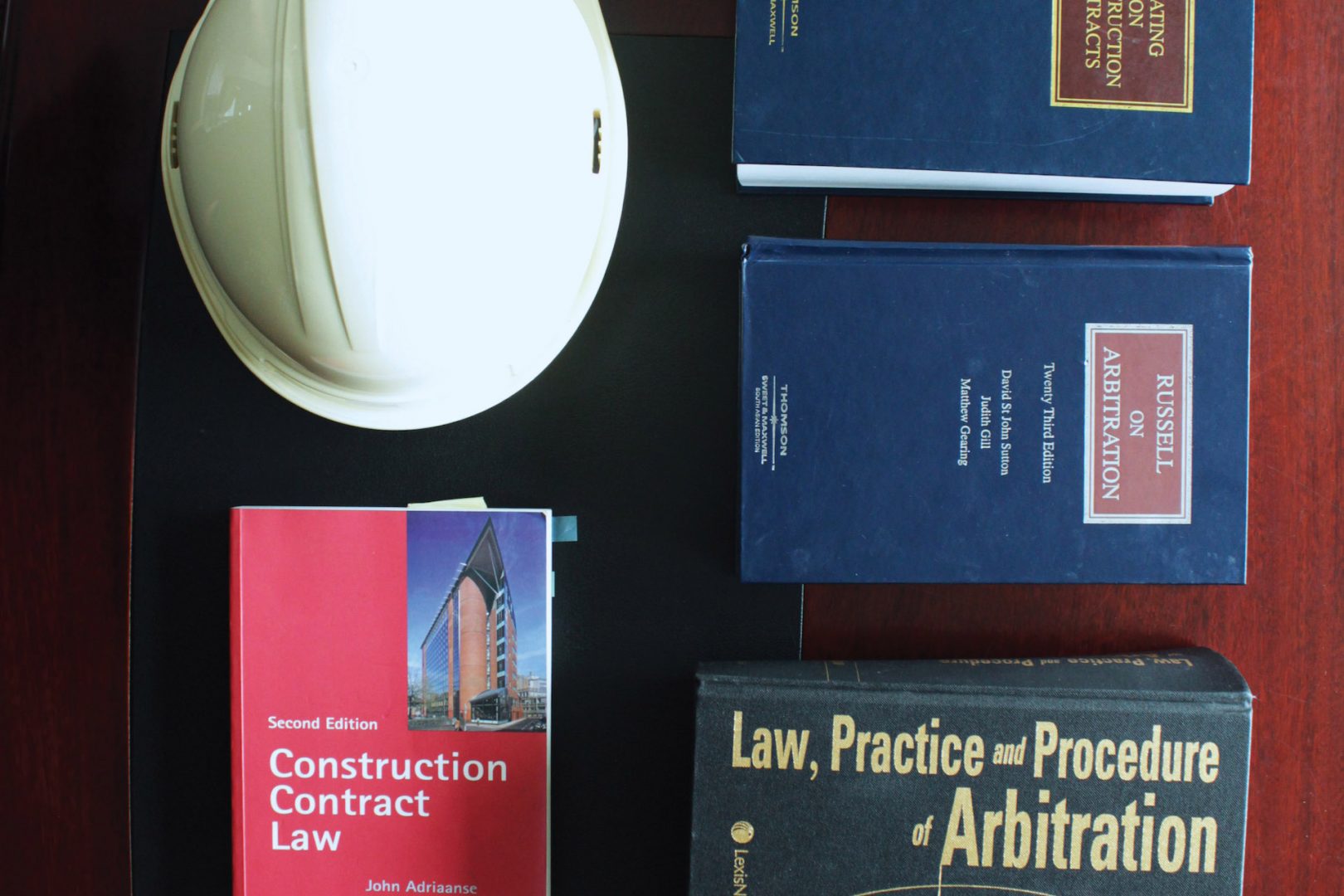
CIPAA 2012: Direct Payment under Section 30 Following Liquidation
Can a subcontractor invoke section 30 of CIPAA 2012 to obtain direct payment from the principal after the main contractor has been wound up? The Court of Appeal revisited the interaction between this statutory remedy and insolvency law.
CIPAA 2012: Court of Appeal Clarifies When an Adjudication Decision Ceases to Be Binding
CIPAA 2012: Court of Appeal Clarifies When an Adjudication Decision Ceases to Be Binding YS Chong Enterprise Sdn Bhd (In Liquidation) v Perkasa Jauhari Sdn Bhd (In Liquidation) [Court of Appeal Civil Appeal Nos. J-02(NCC)(A)-464-03/2025 & J-02(IM)(NCC)-465-03/2025] Issues An adjudication decision under the Construction Industry Payment and Adjudication Act 2012 (“CIPAA 2012”) may be relied […]
CIPAA 2012 : Court of Appeal Clarifies the Status of Registered and Unregistered Adjudication Decisions in Winding-Up Proceedings
CIPAA 2012 : Court of Appeal Clarifies the Status of Registered and Unregistered Adjudication Decisions in Winding-Up Proceedings VKPT Sdn Bhd v LLC Infra Sdn Bhd W-02(NCC)(A)-171-02/2025 Issues One of the recurring questions under the Construction Industry Payment and Adjudication Act 2012 (“CIPAA”) is whether an adjudication decision may be relied upon to present a […]
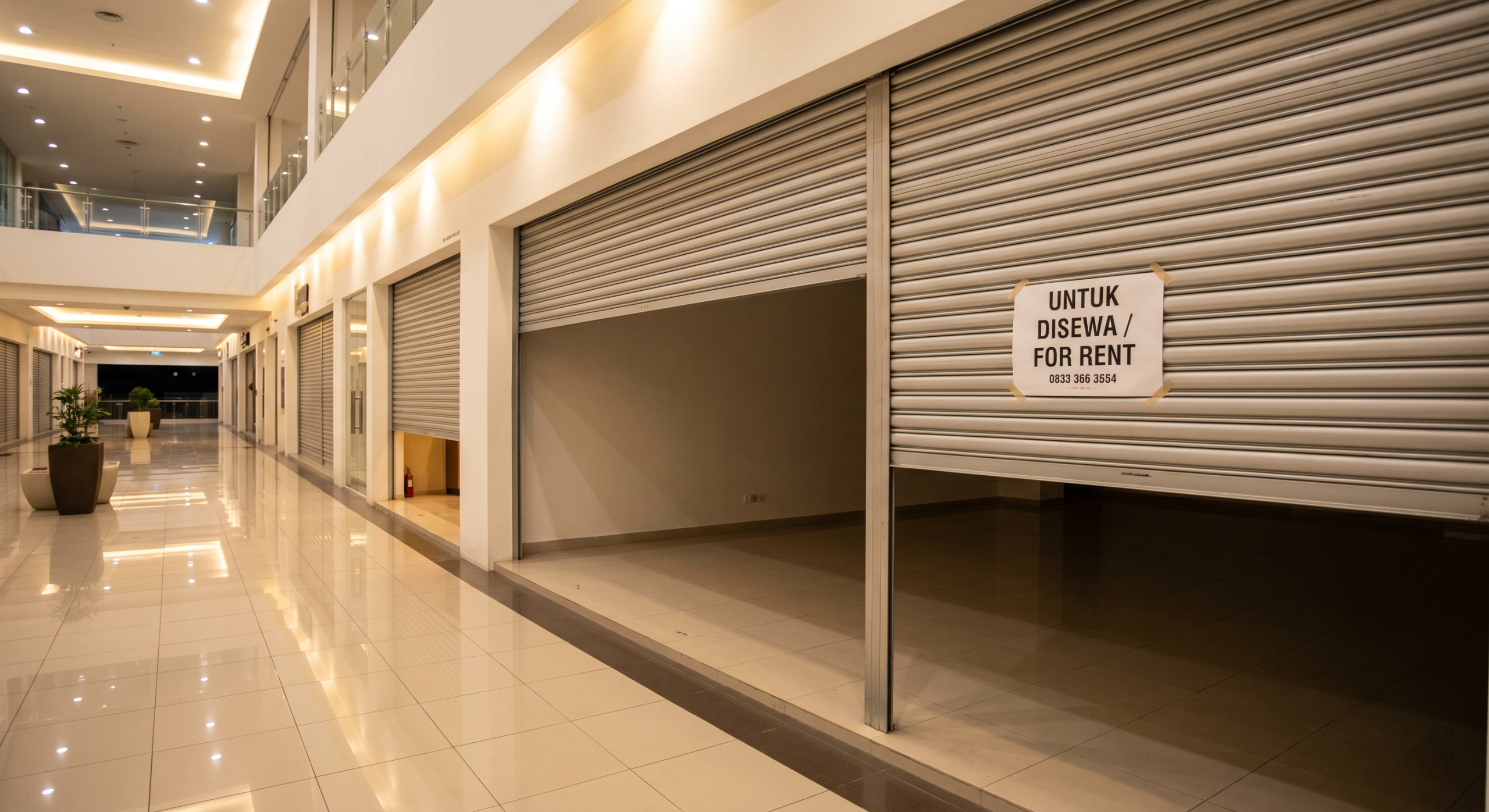
Securing the Landlord’s Bargain: Defeating Opportunistic Defenses in Commercial Tenancies
Securing the Landlord’s Bargain: Defeating Opportunistic Defenses in Commercial Tenancies Executive Summary We recently secured a decisive victory for our client, the operator of a prominent shopping mall, enforcing the strict terms of a commercial tenancy agreement and protecting commercial landlords from opportunistic pandemic-era claims. The High Court decisively rejected a defaulting food and beverage […]

Stay pending arbitration: federal court clarifies the approach to “steps in the proceedings”
STAY PENDING ARBITRATION:FEDERAL COURT CLARIFIES THEAPPROACH TO “STEPS IN THEPROCEEDINGS” Stay Pending Arbitration: Federal Court Clarifies The Approach to “Steps in The Proceedings” Universiti Malaya v Esa Jurutera Perunding Sdn Bhd [2026] 6 CLJ 497 Issues In our February 2025 update, we discussed the Court of Appeal’s decision in Universiti Malaya v Esa Jurutera Perunding Sdn […]